
Designing for the “Spirit of Place”: Moving from Visual Hype to Hyper Local Storytelling in Hospitality Content
For nearly a decade, the architectural blueprint for hospitality marketing was dictated by a single, surface level design metric: the “Instagrammable” backdrop. Spaces were curated, lighting was balanced, and structural components were engineered to act as staging grounds for a highly standardized, algorithmically rewarded form of social media expression. While this hyper visible strategy initially drove immediate brand awareness, its long-term equity yield has reached an evolutionary dead end.
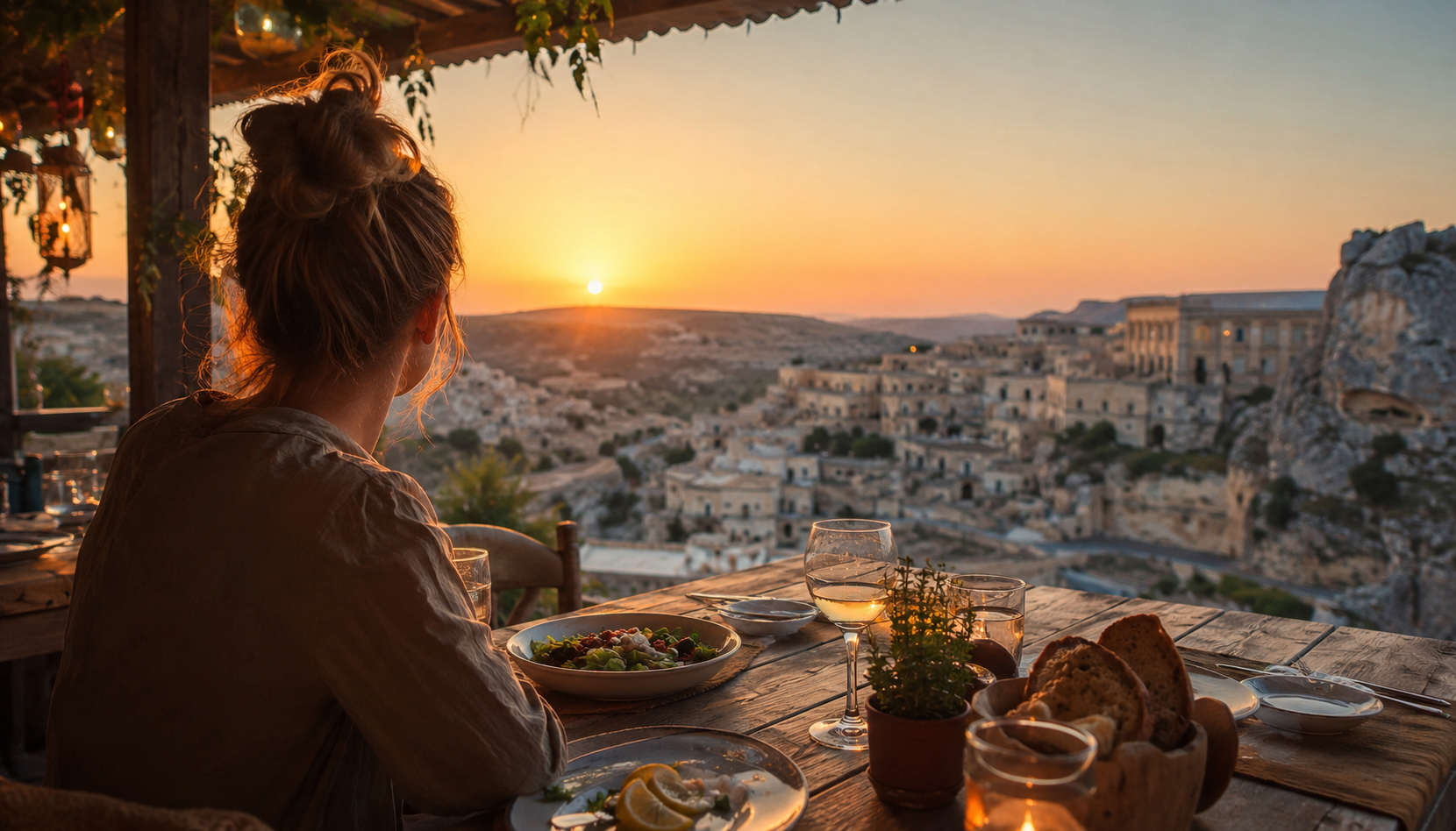
As consumer behavior shifts in response to widespread digital saturation, travelers are rapidly developing aesthetic immunity to staged perfection. The modern luxury guest no longer chooses a destination to replicate a sterile template; instead, they seek what classical architects call the genius loci – the unique, irreplaceable spirit of a place. For creative directors, brand architects, and hospitality marketers, this shift requires a complete transformation of hospitality creative strategy. Winning digital spaces now favor unpolished, multi sensory authenticity over manufactured visual spectacles.
The Quantitative Reality: Cognitive Fatigue and the Shift to Experience
Consumer travel habits demonstrate that the contemporary traveler operates in a state of chronic digital saturation. Industry intelligence indicates that travelers spend an average of over 30 hours researching trips across dozens of touchpoints prior to booking. During this prolonged exploration phase, properties that rely on generic, over polished corporate video and static lifestyle imagery begin to blur together, triggering significant cognitive fatigue.
The antidote is a transition to authentic short-form video that prioritizes documentary style realism over heavy, traditional commercial production. According to recent global consumer trends reports, an overwhelming majority of consumers state that authenticity is the definitive factor when determining which brands they support. In premium hospitality, this translates directly into a desire for transparent, unscripted content that highlights real human craftsmanship, local relationships, and unfiltered moments. Modern audiences are actively choosing raw, human centric narratives over heavily processed corporate portfolios.
Deconstructing the Architecture of “Spirit of Place” Design
To successfully transition away from visual hype and implement an effective experiential design framework, hospitality brands must restructure their creative production around three foundational pillars:
Tactile Visual Textures and Cinematic Contrast: Traditional digital assets frequently over expose interiors to create a generic sense of space, inadvertently stripping away the authentic ambiance of a property. Advanced creative design favors rich shadow interplay, natural grain, and deep, cinematic color grading that emphasizes actual materials, whether that is rough hewn local timber, cold mountain slate, or hand woven textiles. The objective is to make the digital screen feel deeply physical and tactile.
Chronological, Unstaged Micro Moments: Instead of relying entirely on highly choreographed hero videos, content strategies should document real time operational rhythms. This includes capturing the quiet, early morning mist rising off a mountain trail, the precise, focused movements of a chef sourcing ingredients from a hyper local farm, or the natural ambient sound of a courtyard at dusk. These small, unstaged micro moments invite prospective guests into a real, lived experience rather than a marketing presentation.
Radical Localism as a Competitive Moat: A luxury property is no longer an isolated enclave; it serves as a portal to its surrounding geography. High performing social media content profiles the local ecosystem – the generational artisans, the neighborhood purveyors, and the untouched paths located just beyond the property line. By positioning the brand as a dedicated caretaker of local culture, the hospitality entity builds a distinct, highly defensible competitive advantage.
The Execution Blueprint: Operationalizing the Content Engine
Transitioning to an authentic hospitality creative strategy requires replacing rigid, over engineered production playbooks with agile, high frequency capture models. Creative teams should focus on building comprehensive, living asset libraries filled with natural, unscripted moments rather than single, massive production campaigns. This approach provides a steady stream of highly engaging, believable content while significantly lowering long term creative production overhead.
Ultimately, true luxury brand positioning is not achieved by shouting for attention in an increasingly crowded digital landscape. It is built by inviting the audience to slow down and experience a genuine story. By anchoring your digital footprint in the authentic texture, history, and community of your property, your agency helps brands stop chasing passing algorithm trends and start commanding deep, enduring consumer loyalty.